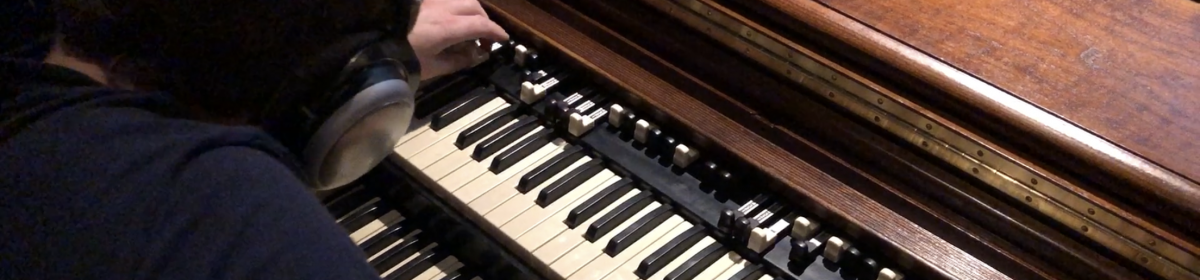
Here you’ll find photos of my restorations and builds, musical projects, et cetera. A work in progress.
The “Pawn Shop” C-3
This 1955 Hammond C-3 was found on Craigslist in early 2020 at a pawn shop in Costa Mesa, CA, to replace my A-100 as the “studio” organ. The C-3 had a frozen generator and needed considerable work before it would be playable.
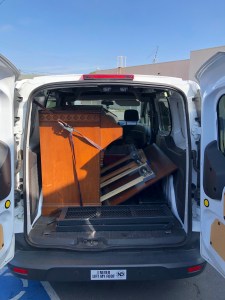
Taking delivery of the organ in Costa Mesa 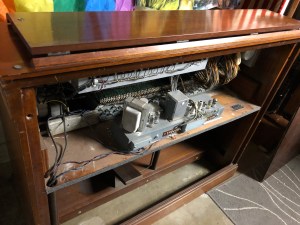
All stock, untouched, frozen generator and all, before the start of refurbishment 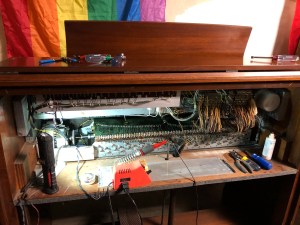
Preamp de-wired and removed 
De-wiring the tone generator for removal 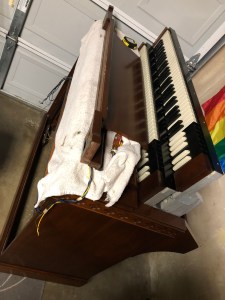
Manuals unbolted and raised 
Manuals removed 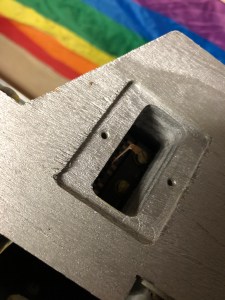
Accessing the busbars for cleaning and lubrication 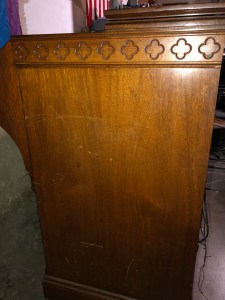
Cabinet before refresh… 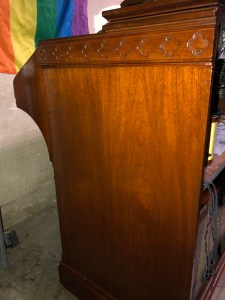
…and after 
Cabinet after Restor-A-Finish and waxing 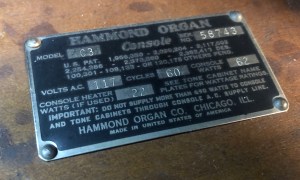
Boilerplate 
Up close with the tonewheels during surgical lubrication to unfreeze the generator 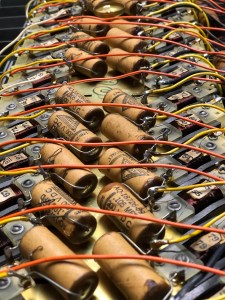
The old wax filter capacitors may be past their prime, but they sure look cool 
The first fire-up of the generator after freeing it up was tense, but a success 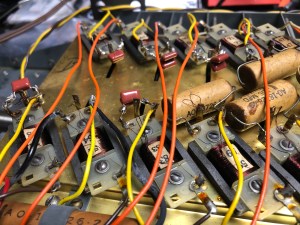
Replacing the aged wax caps on the generator with polyester film caps 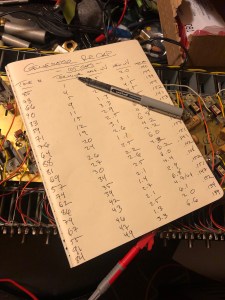
Peaking the output of each tone by matching caps to coils 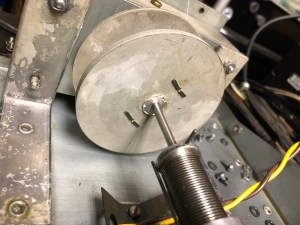
Run motor flywheel and spring coupling 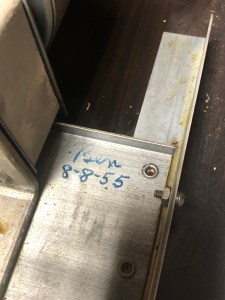
The generator that Ben built 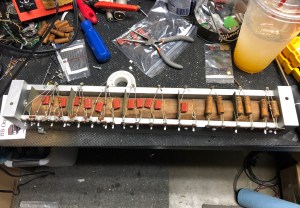
Recapping the vibrato line box 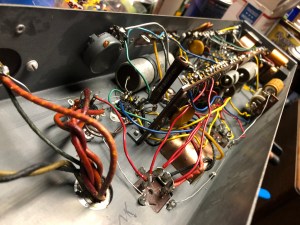
Inside the AO-28 preamp before all caps were replaced 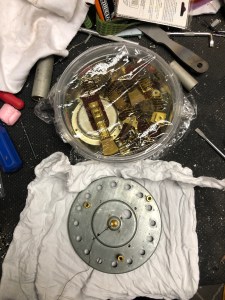
Thoroughly cleaning the vibrato scanner 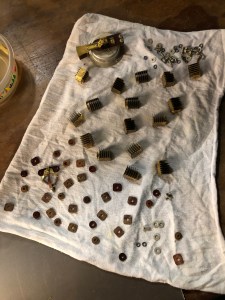
Scanner parts drying 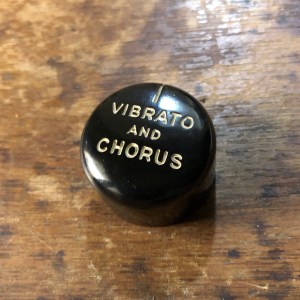
I waxed my knob 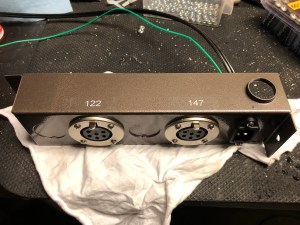
The outlet box was repainted and fitted with upgraded AC and Leslie hookups 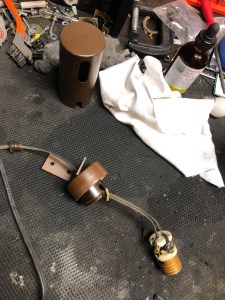
Rebuilding the pedal clavier lamp 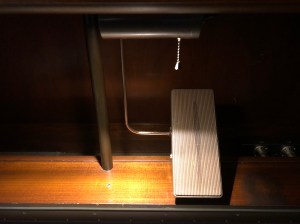
I’m not much of a pedal player, but I sweat the details 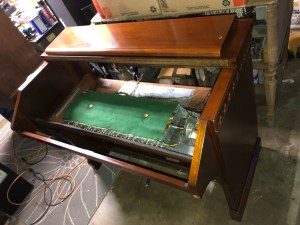
Generator back in the organ 
Preamp going back in, Leslie 8000 kit being wired in 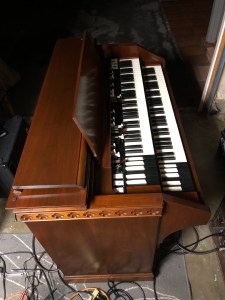
Put back together 
In place in the “studio” 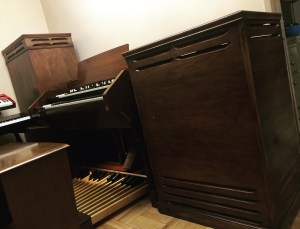
The Leslie 31H “Tallboy”
This 1948 Leslie 31H Series 1 came from an organ tech in Arcata, CA. Coveted for their huge, warm sound, not to mention their biblical bass, these early one-speed Leslies with their imposing tall cabinets are few on the ground compared to their later, shorter two-speed brethren. They use field-coil woofers and quad-6L6 dual-rectified amplifiers, and the Series 1s use an obsolete switching scheme that doesn’t work with any standard Leslie hookup. This one was untested, but complete. My plan was to restore it and convert it to two-speed operation with standard 122-type switching. I took a long weekend in May 2019 to retrieve it, traveling over hill and dale to put my hands on the mythical creature. I dilly-dallied in getting it fully rebuilt, but it’s since been mated with the Pawn Shop C-3 and Leslie 147 to make a truly house-rattling combination.
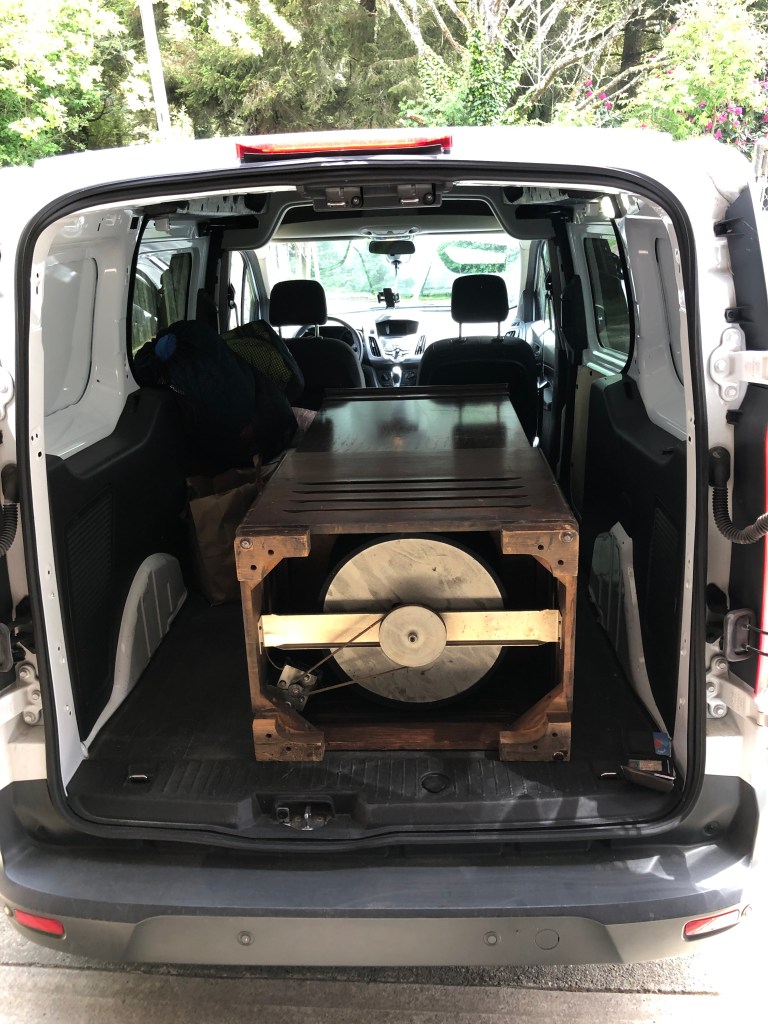
Loading up the Leslie in Arcata 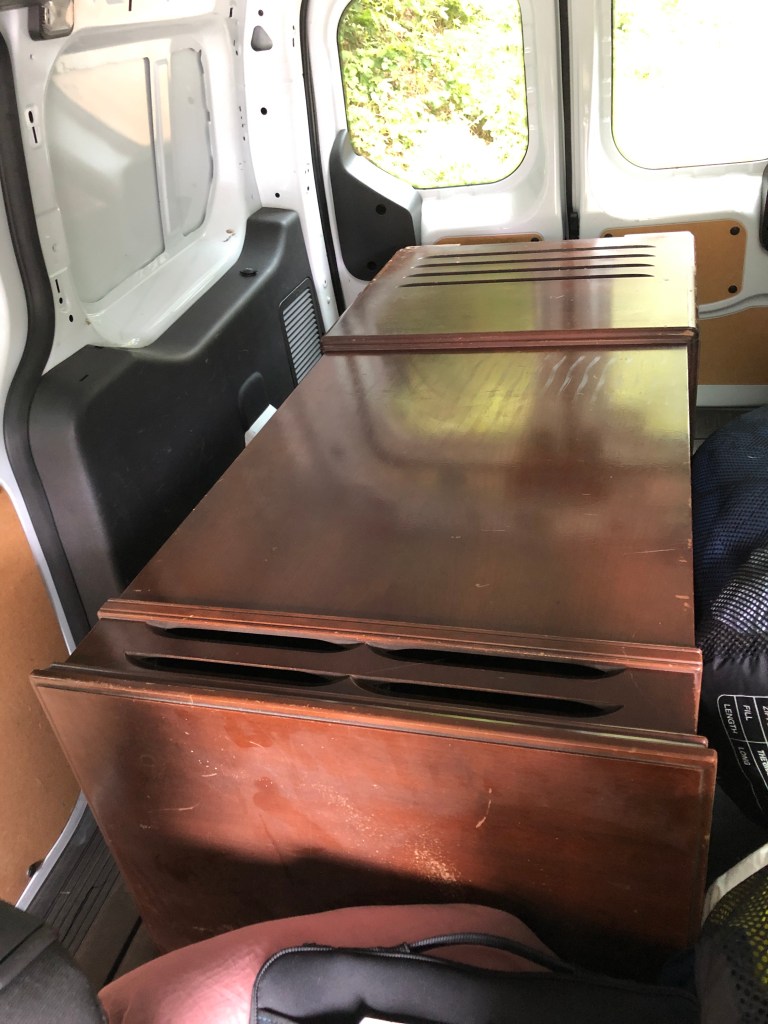
Ready to make the trip 700 miles south 
Home in the garage, next to a standard Leslie for scale 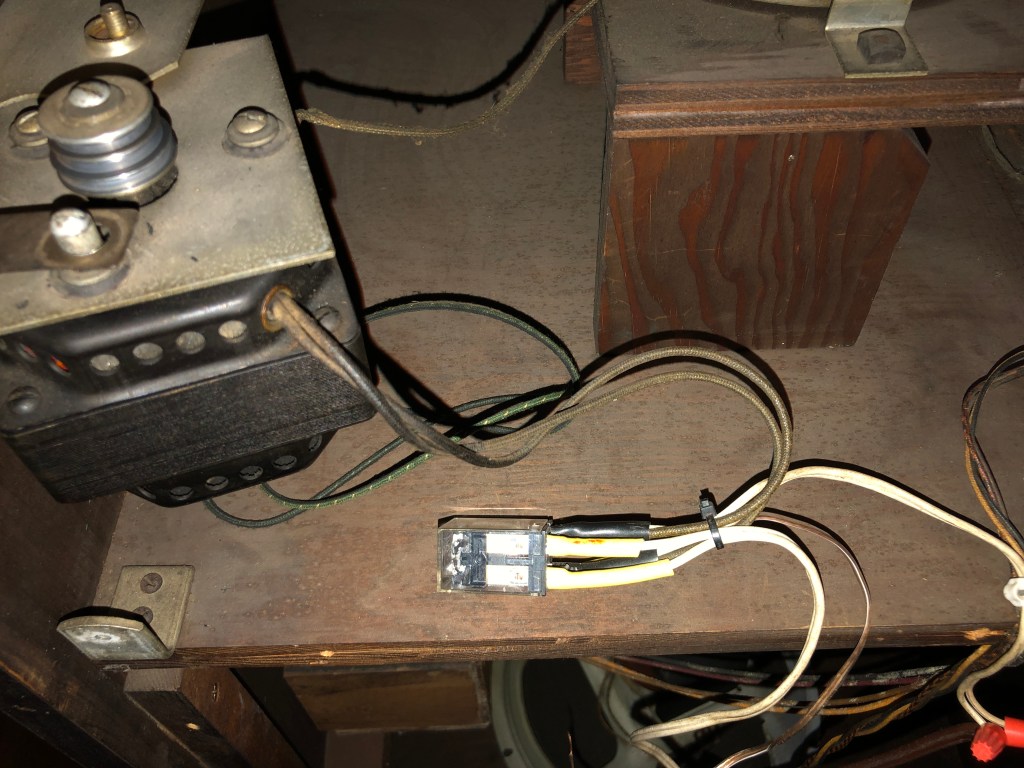
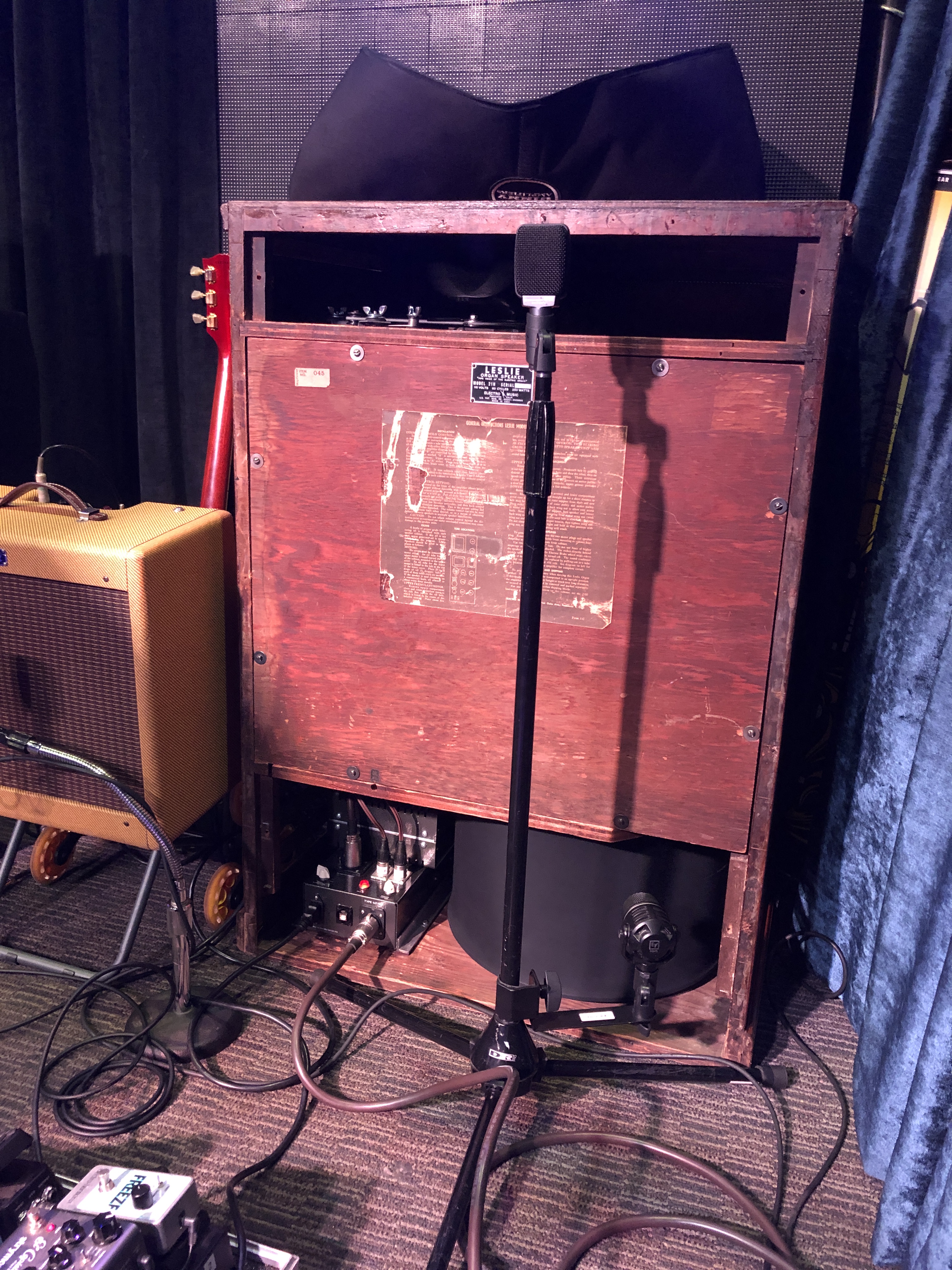
Original horn motor with strange aftermarket relay 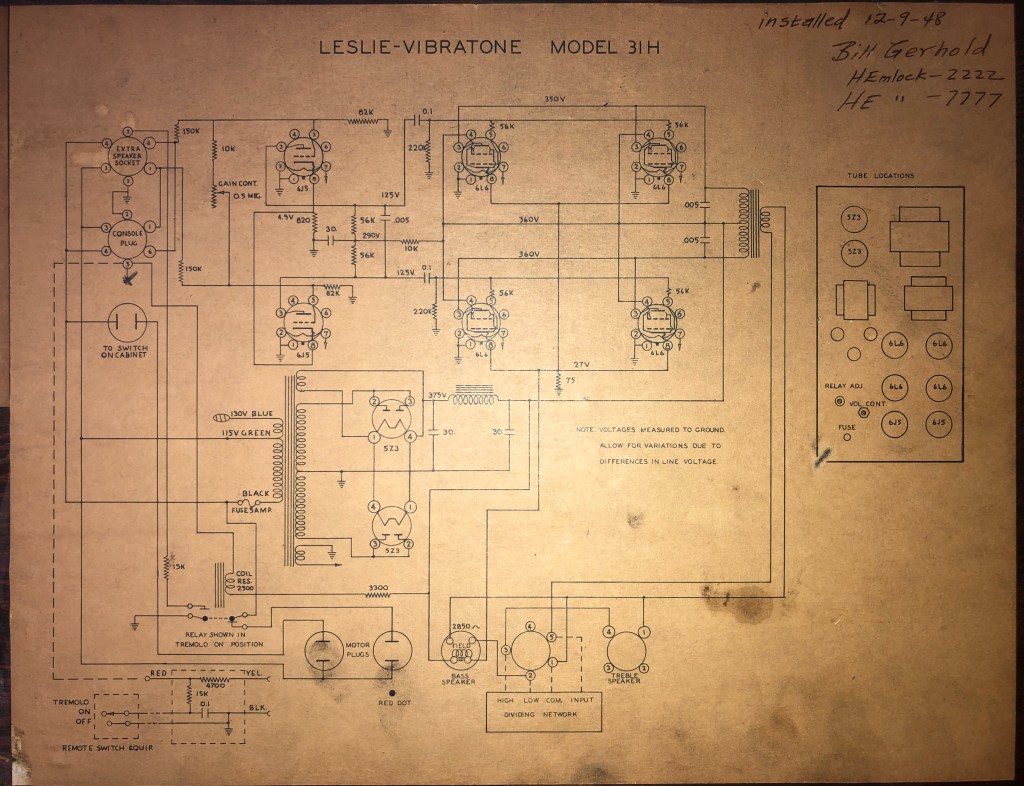
Original schematic printed on inside of top back cover 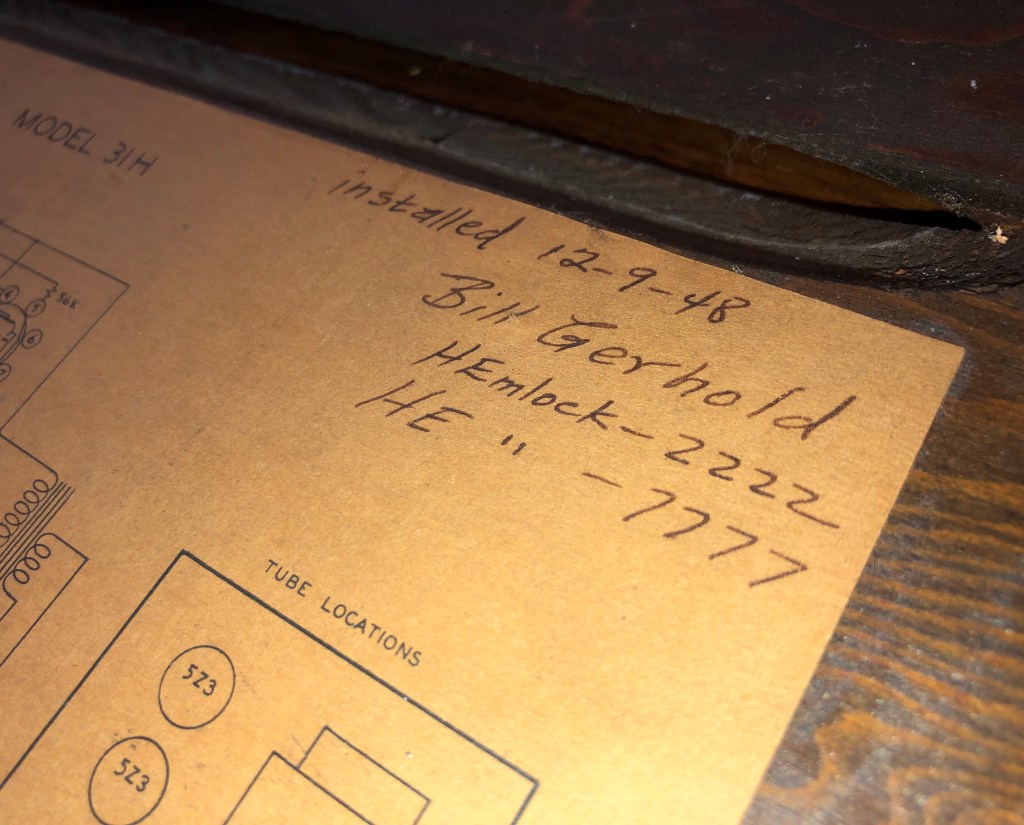
Well done, Bill 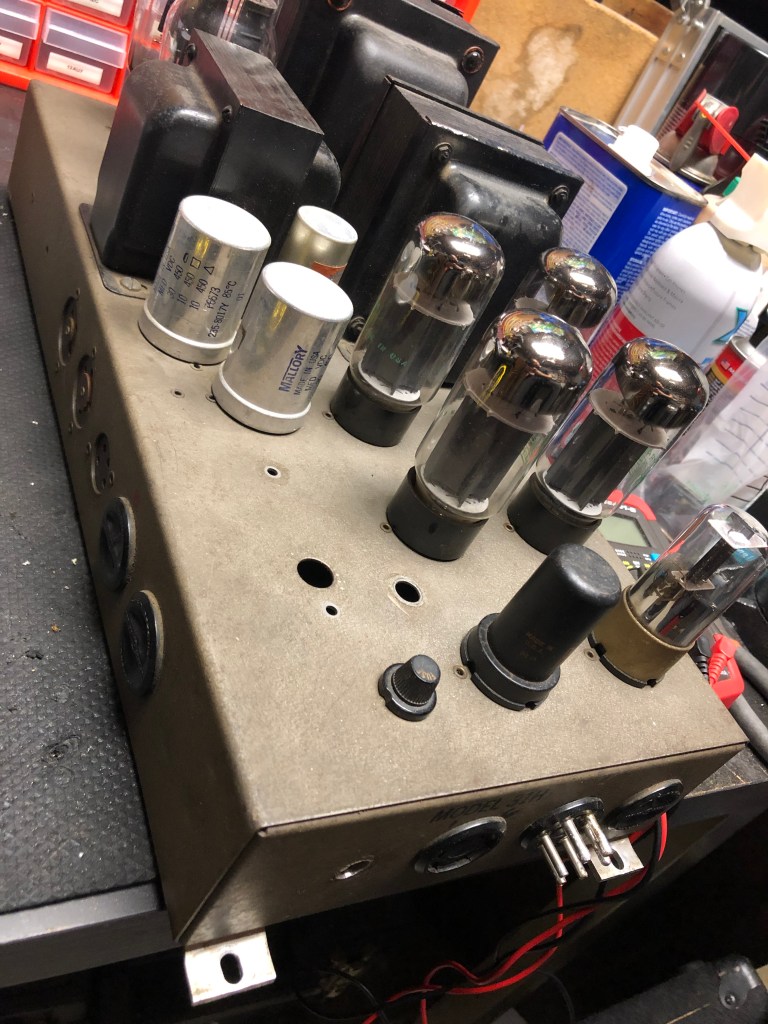
Series 1 amplifier chassis 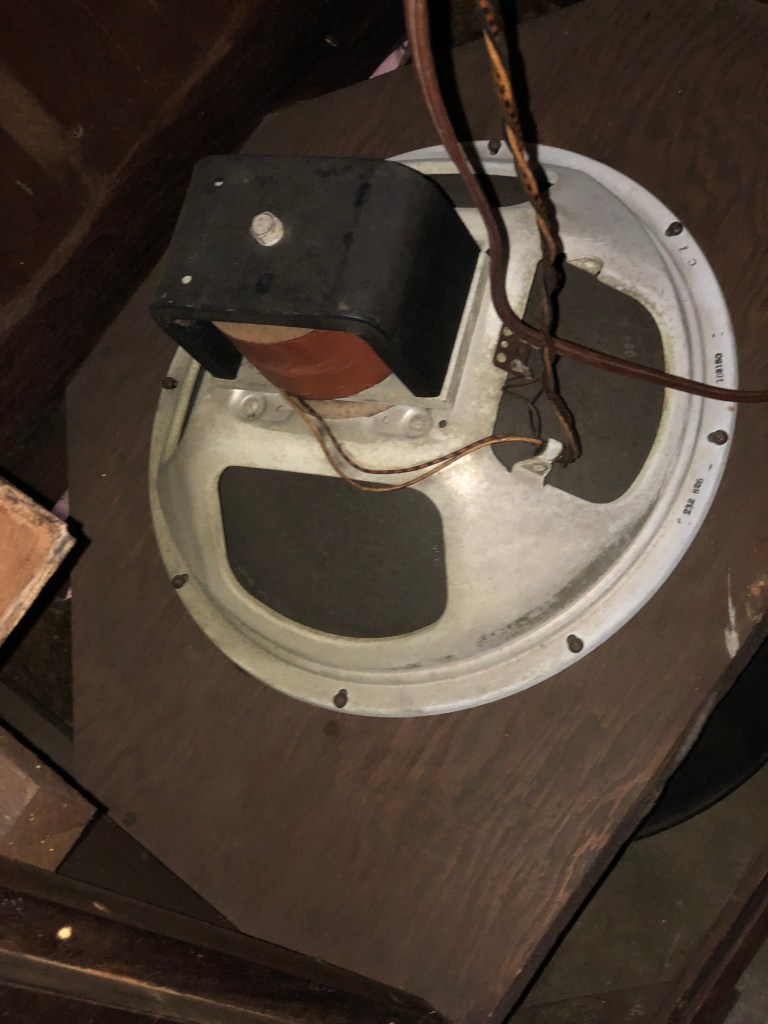
Original Magnavox field coil woofer 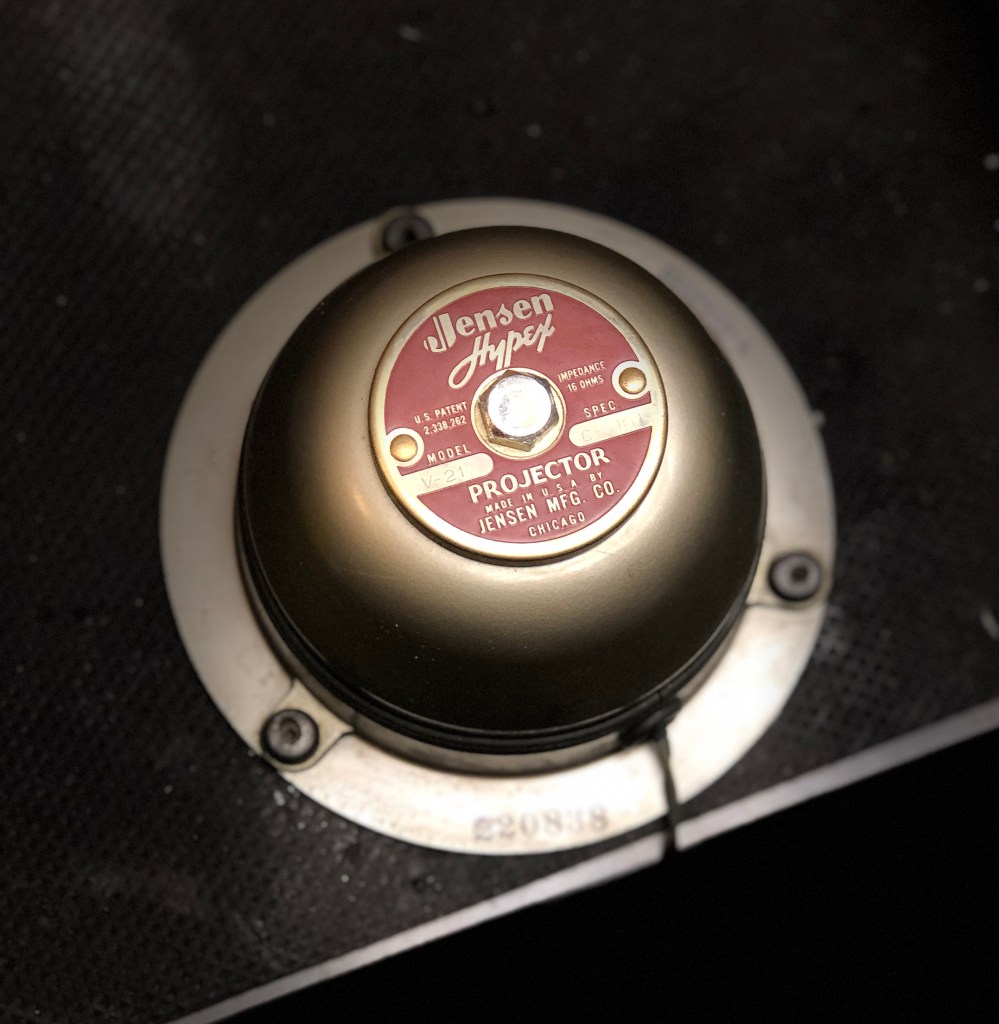
Original Jensen Hypex V-21 horn driver 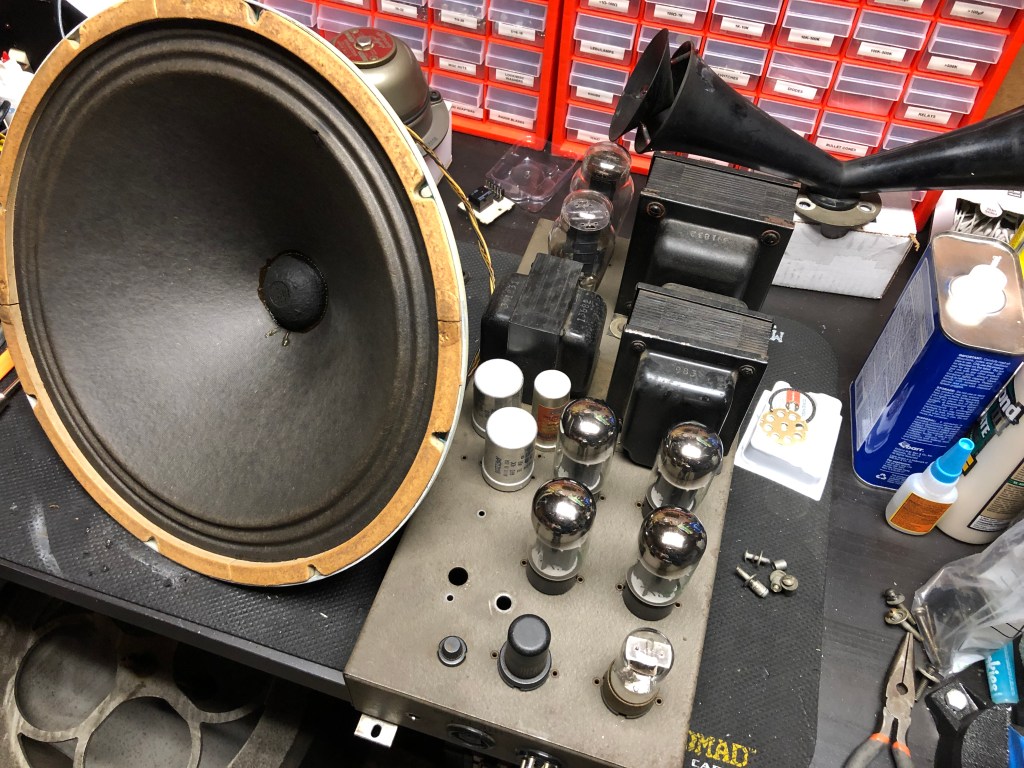
Internals removed from cabinet 
Cabinet stripped of most parts 
Stripping old finish off the cabinet 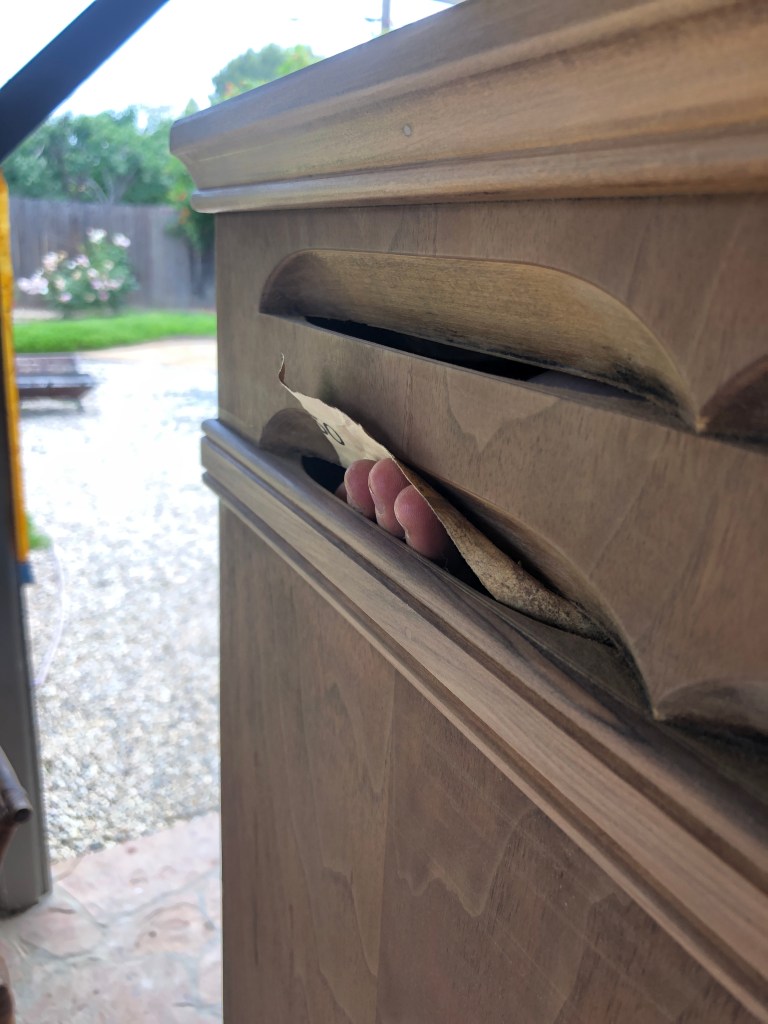
Sanding details 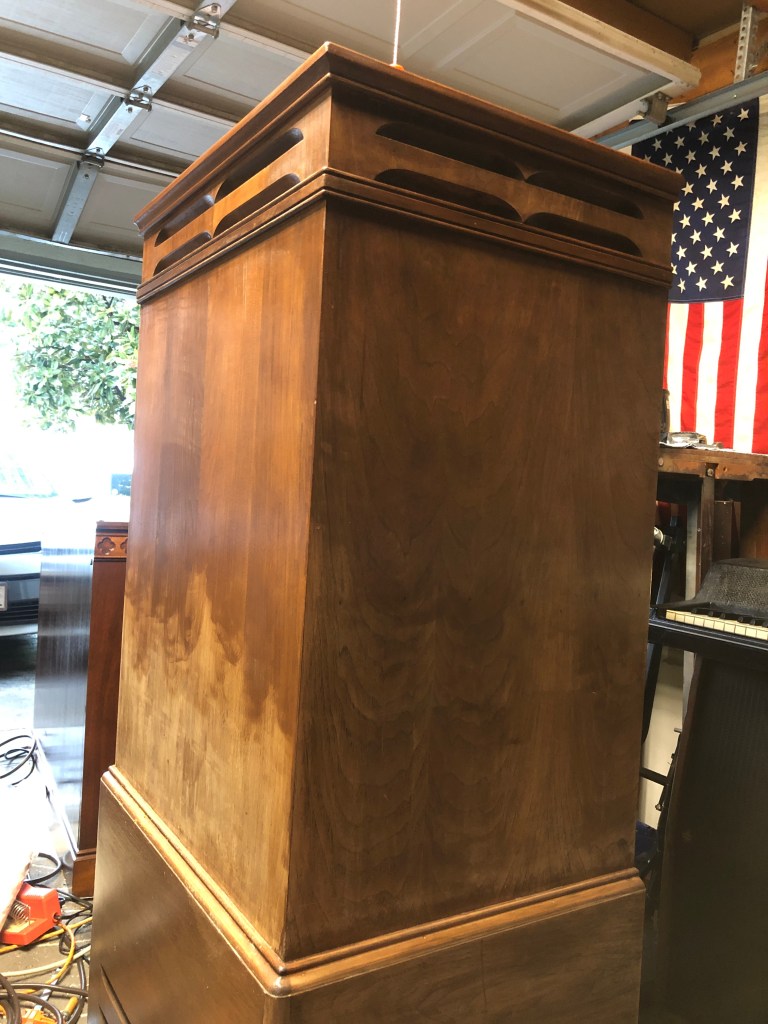
Re-staining the cabinet 
Original, dangerous cloth wiring in amp chassis 
Replacing cloth wiring with PVC 
Amplifier with new wiring and components, and converted to 122-style switching with an Trek II EIS relay 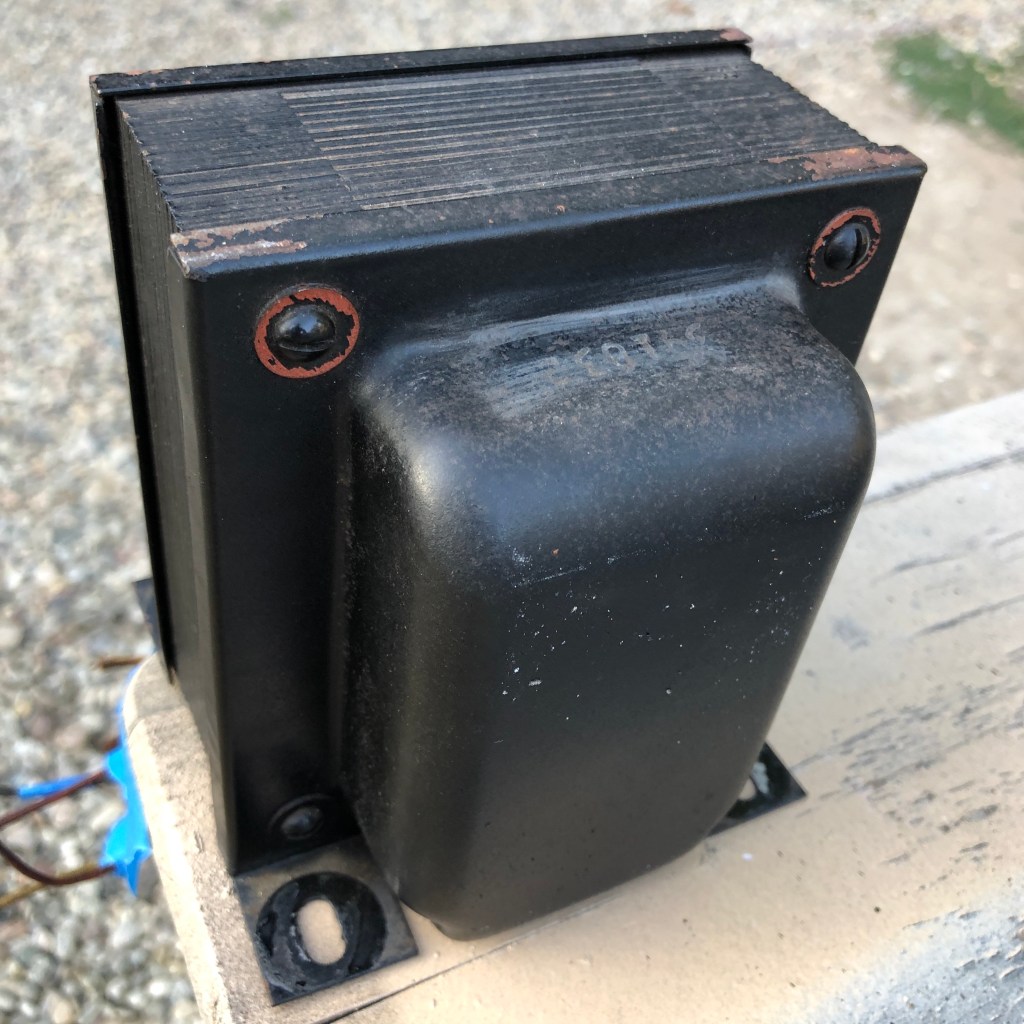
Transformers before repaint… 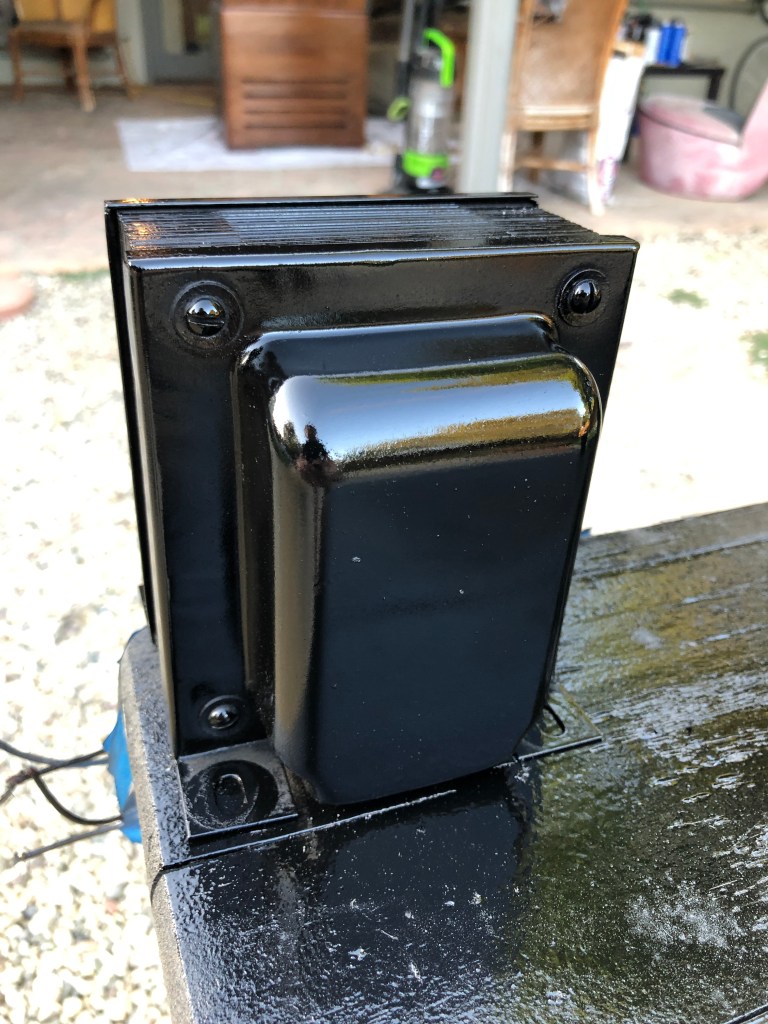
…and after 
Amplifier chassis repainted 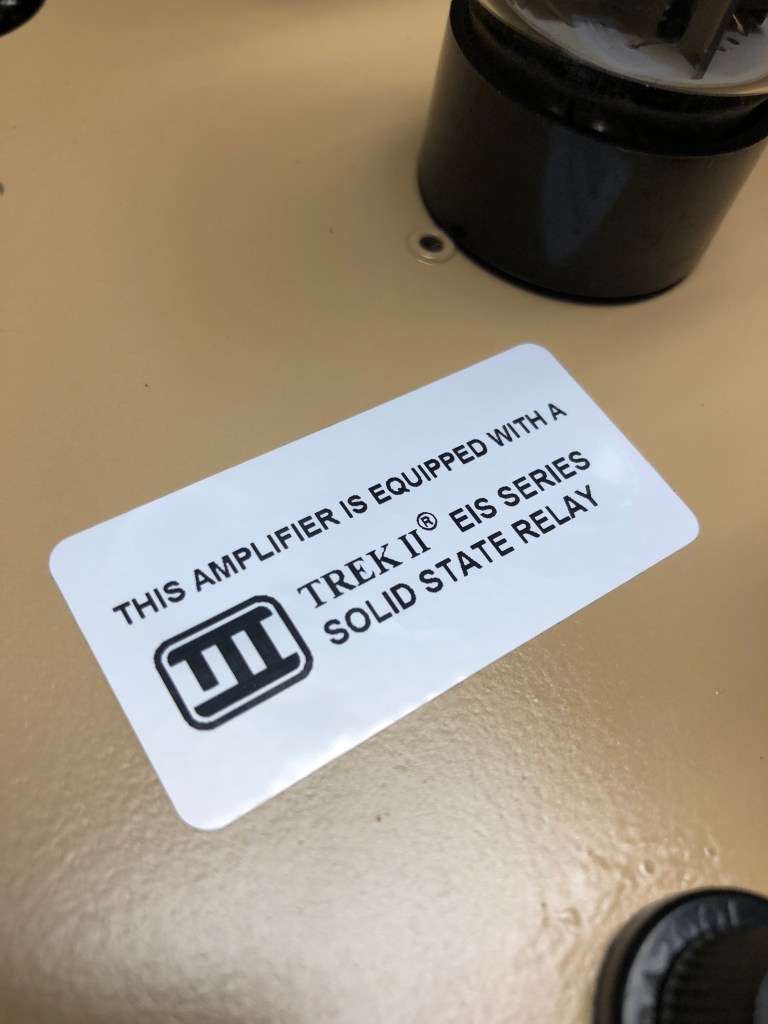
Indeed 
Easter egg courtesy of Sarah 
Getting sound out of the thing for the first time 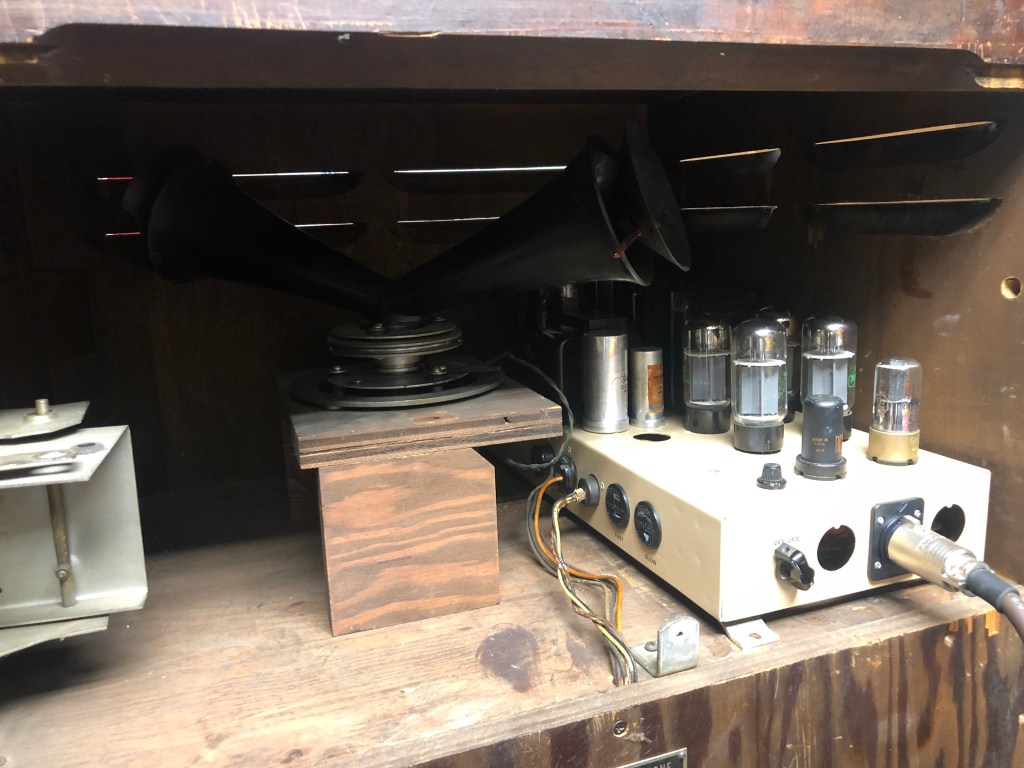
Original horn pedestal to be replaced 
Fabricating the new horn pedestal that will accommodate a two-speed motor stack 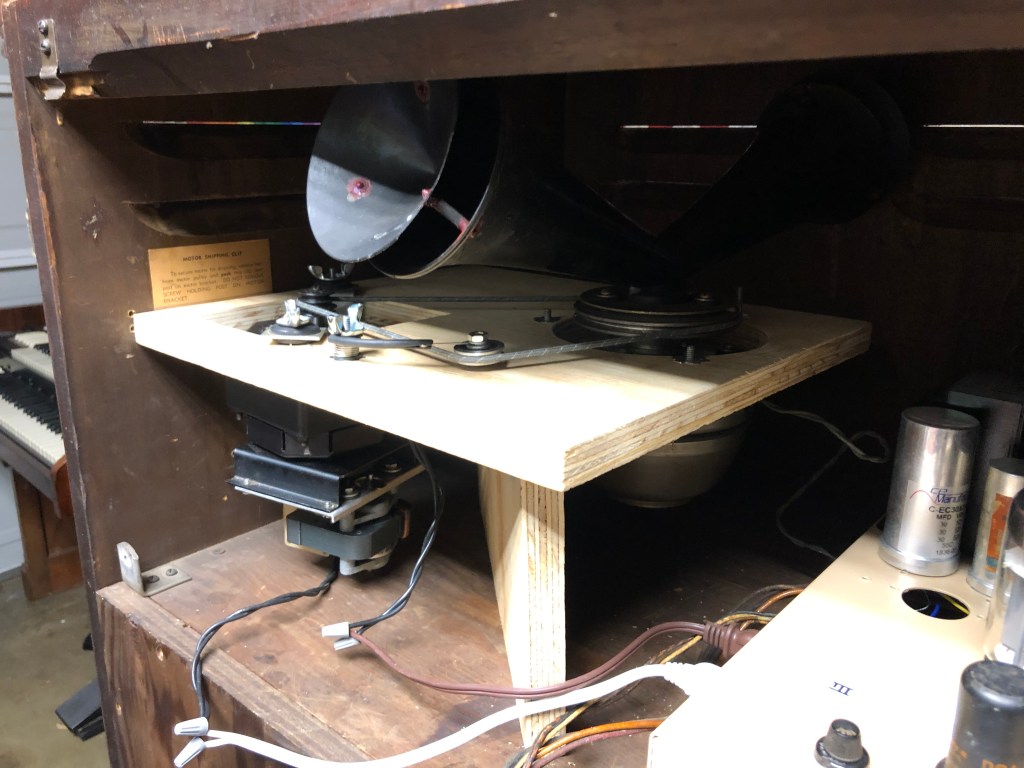
Testing new horn pedestal 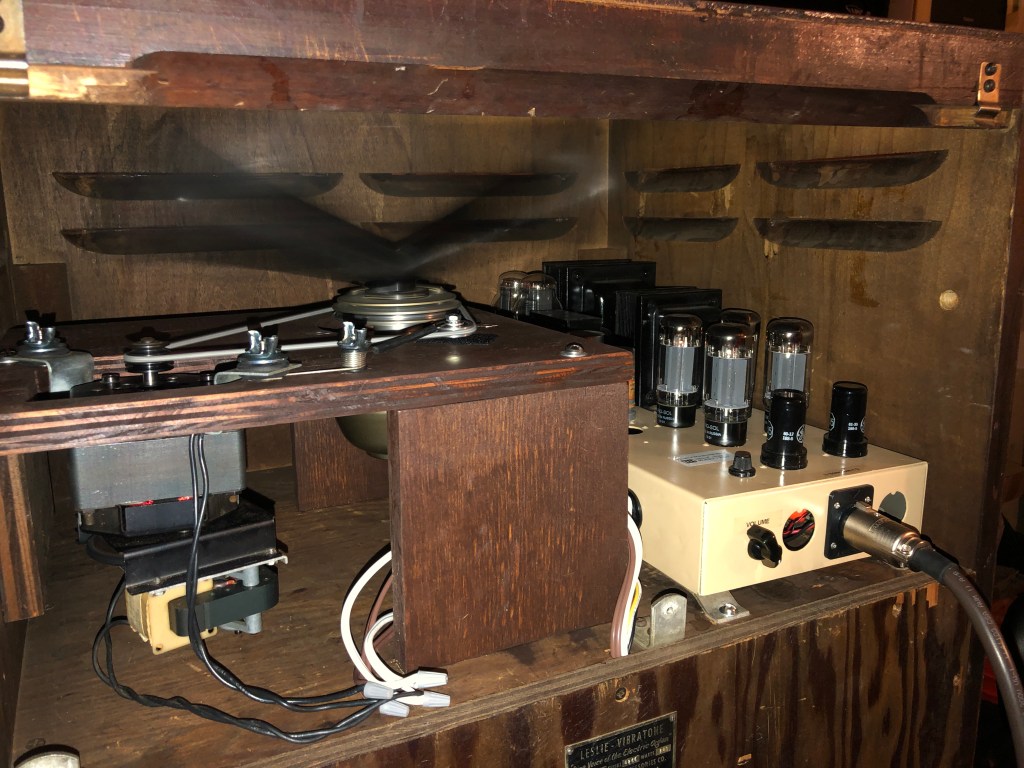
New horn pedestal fully assembled and stained to match cabinet 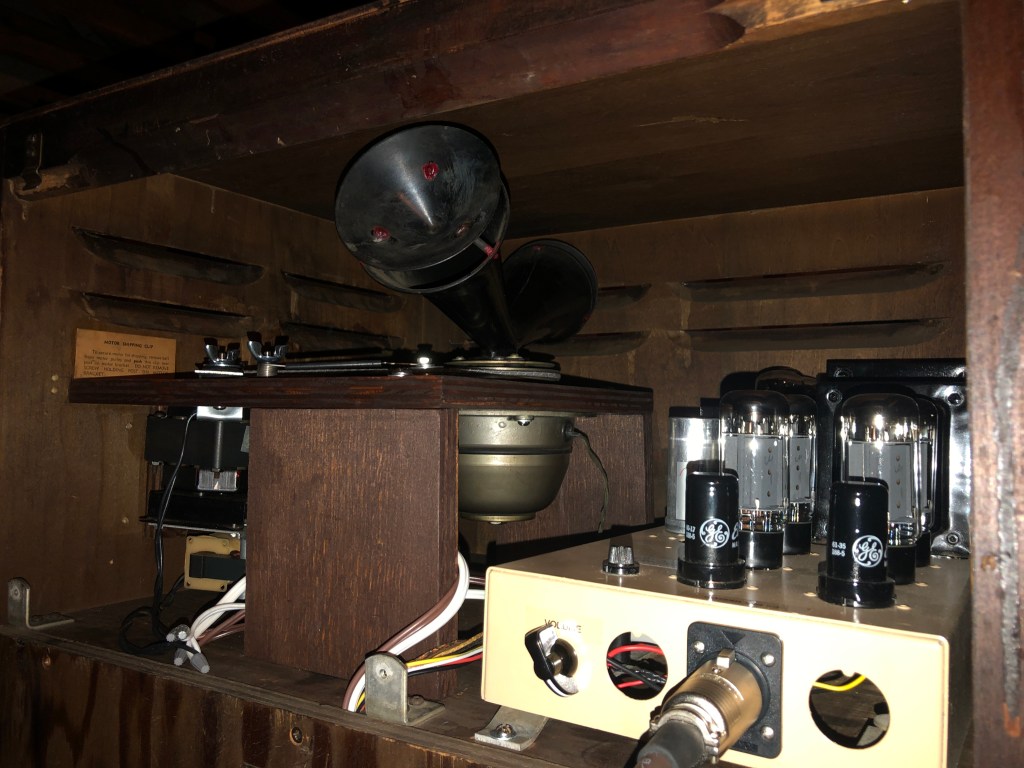
It just about looks factory, I’d say 
New old stock GE 6J5s 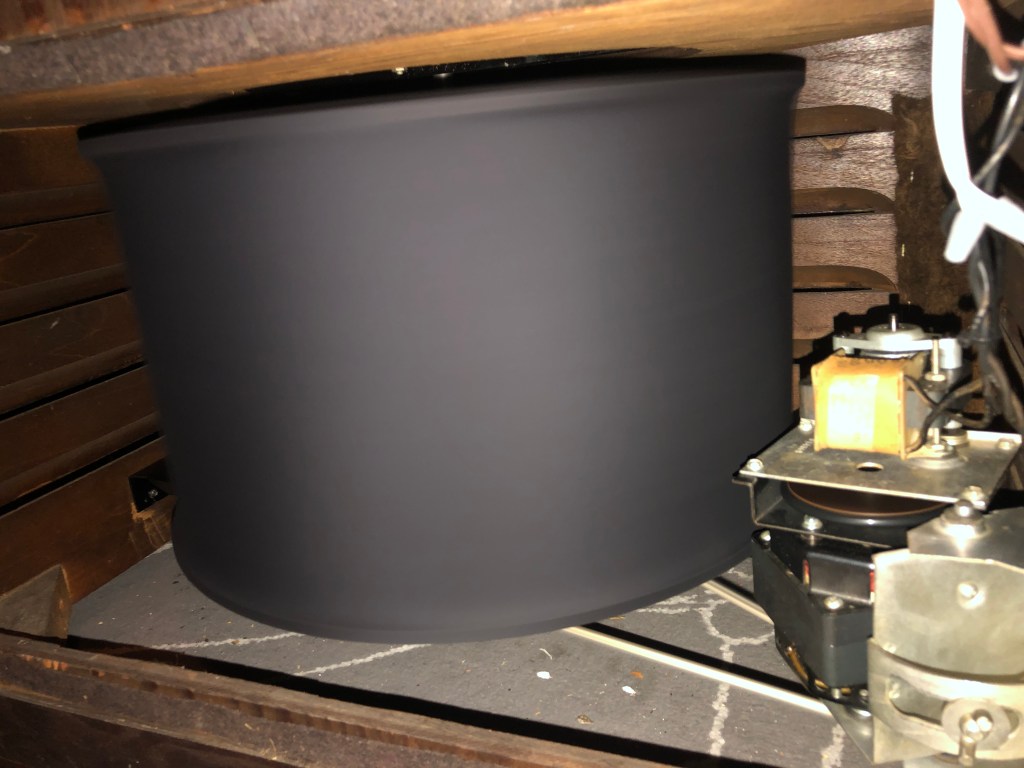
Bass rotor motor mounting bracket reconfigured to work with a two-speed motor stack 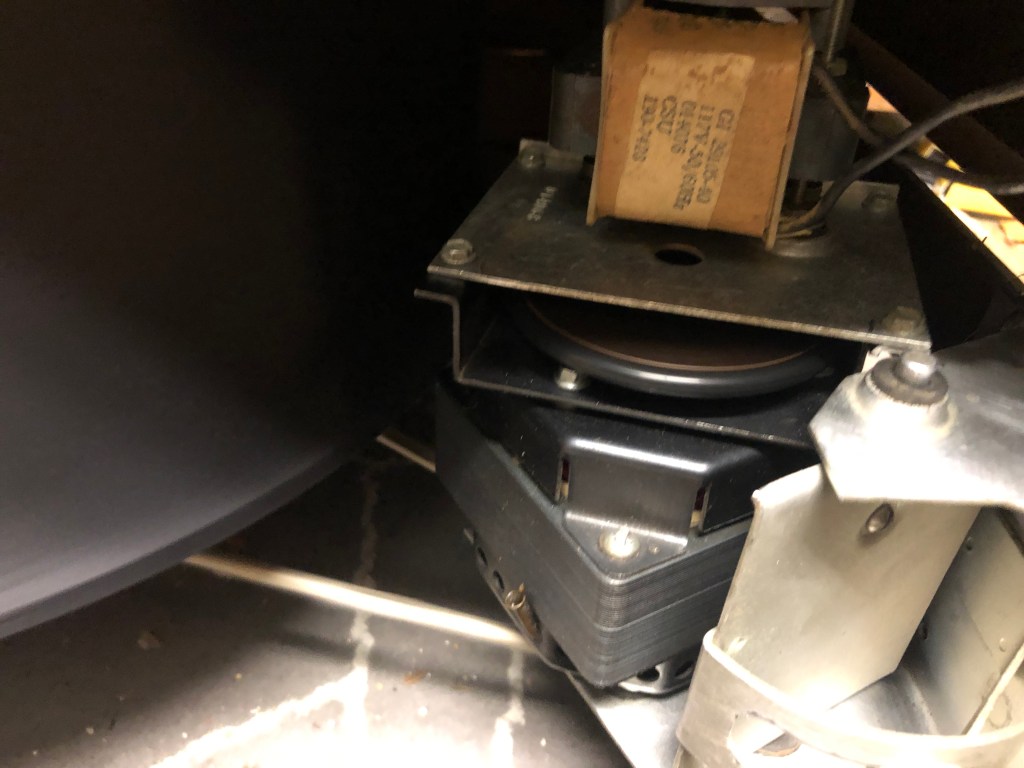
Some cutting was necessary to make the motors fit the bracket 
The old tar-potted crossover had to go 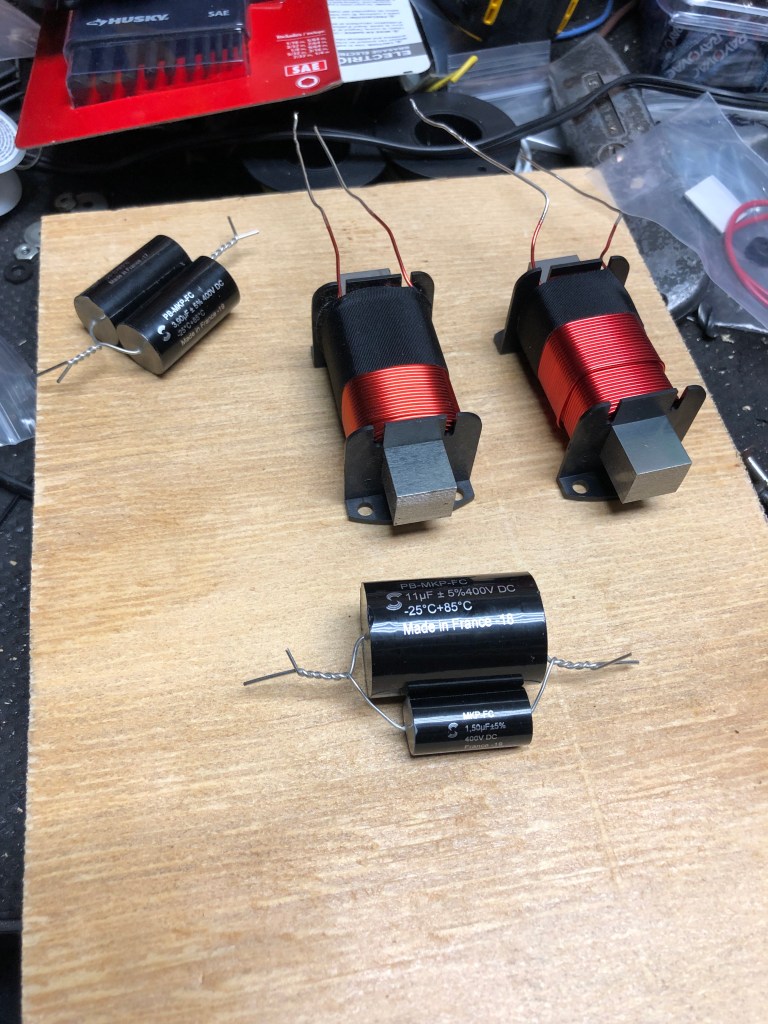
Building a new, serviceable crossover network 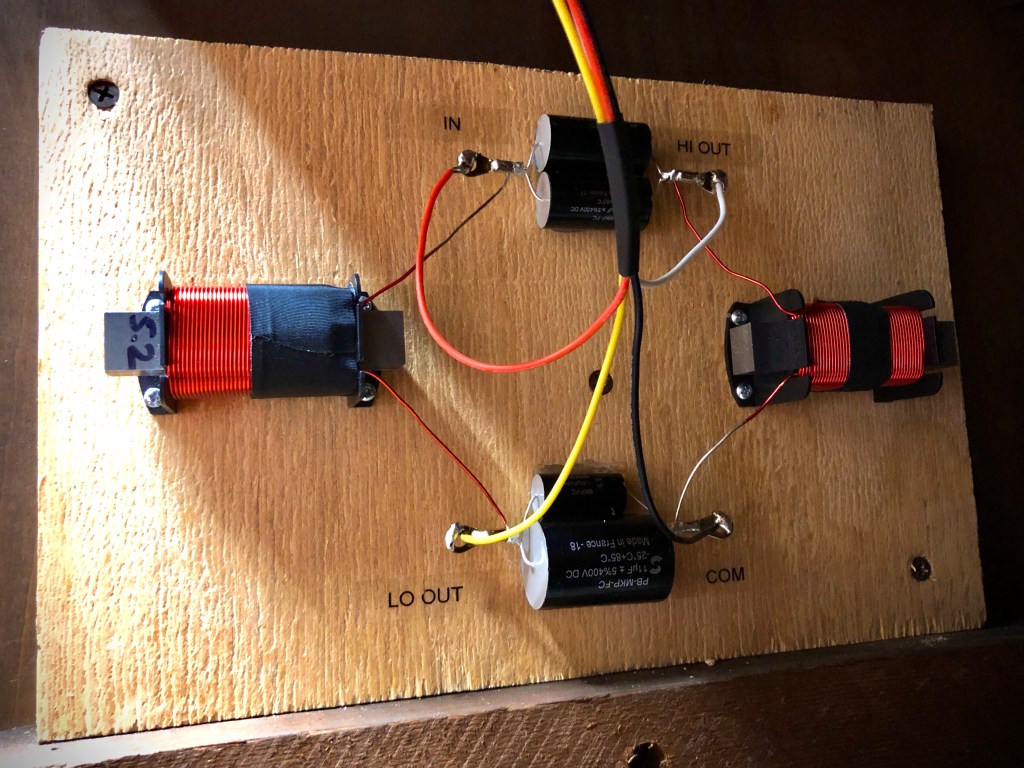
New crossover in place 
Aglow 
Done and in place 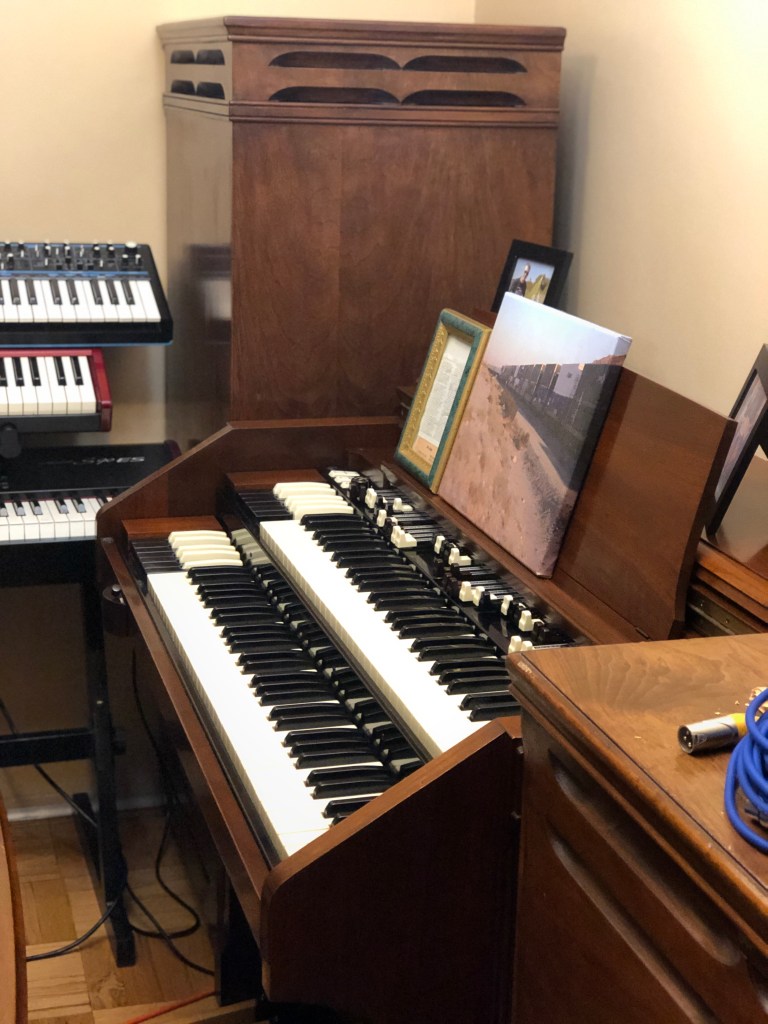
With the 1955 “Pawn Shop” C-3 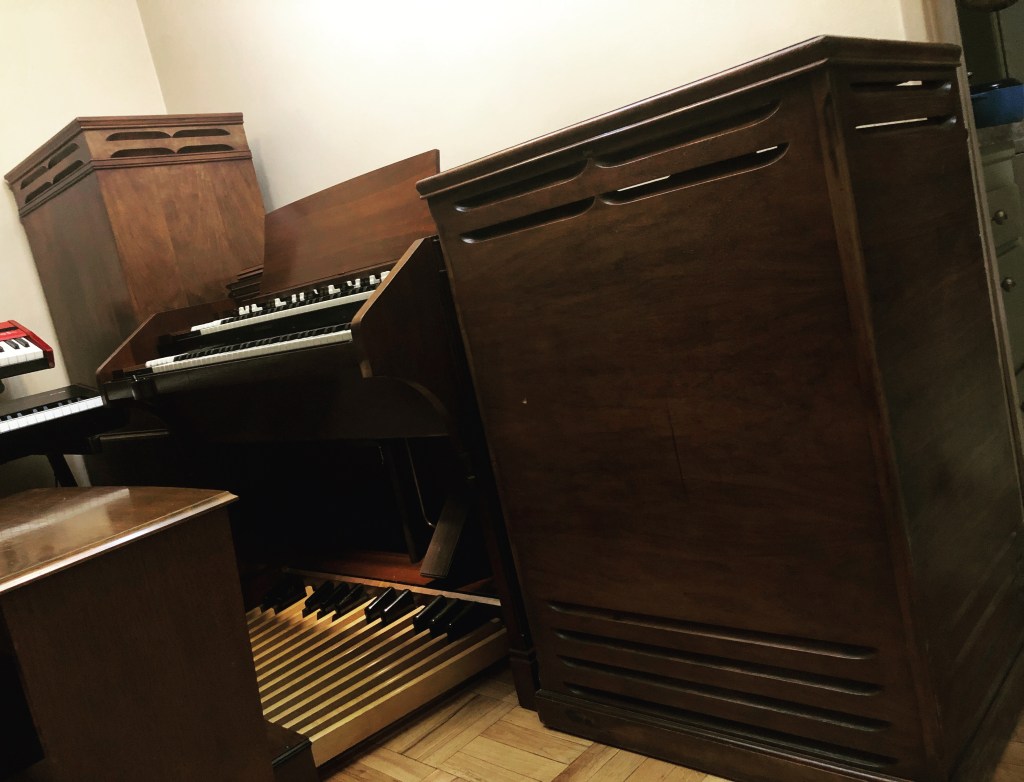
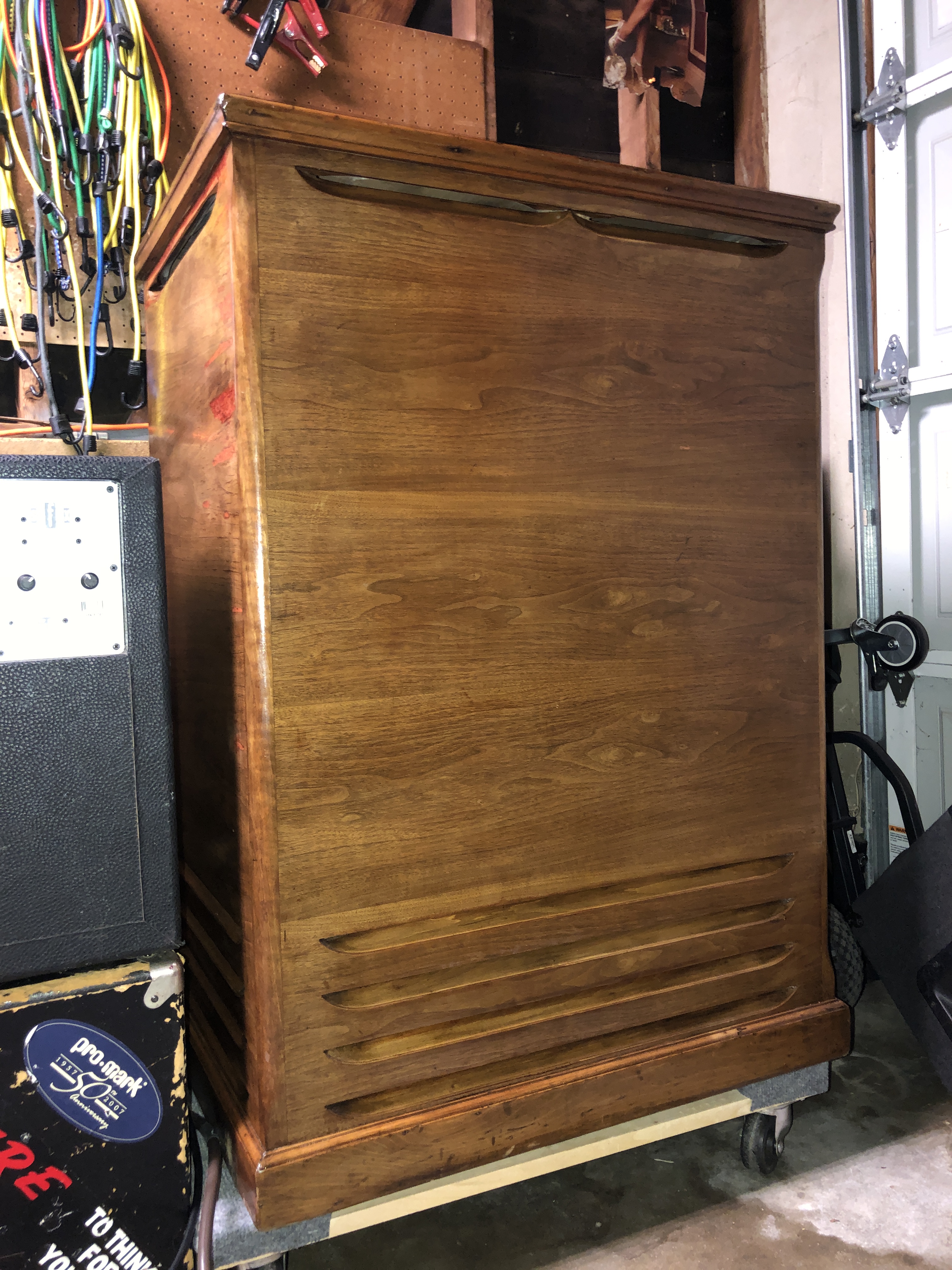
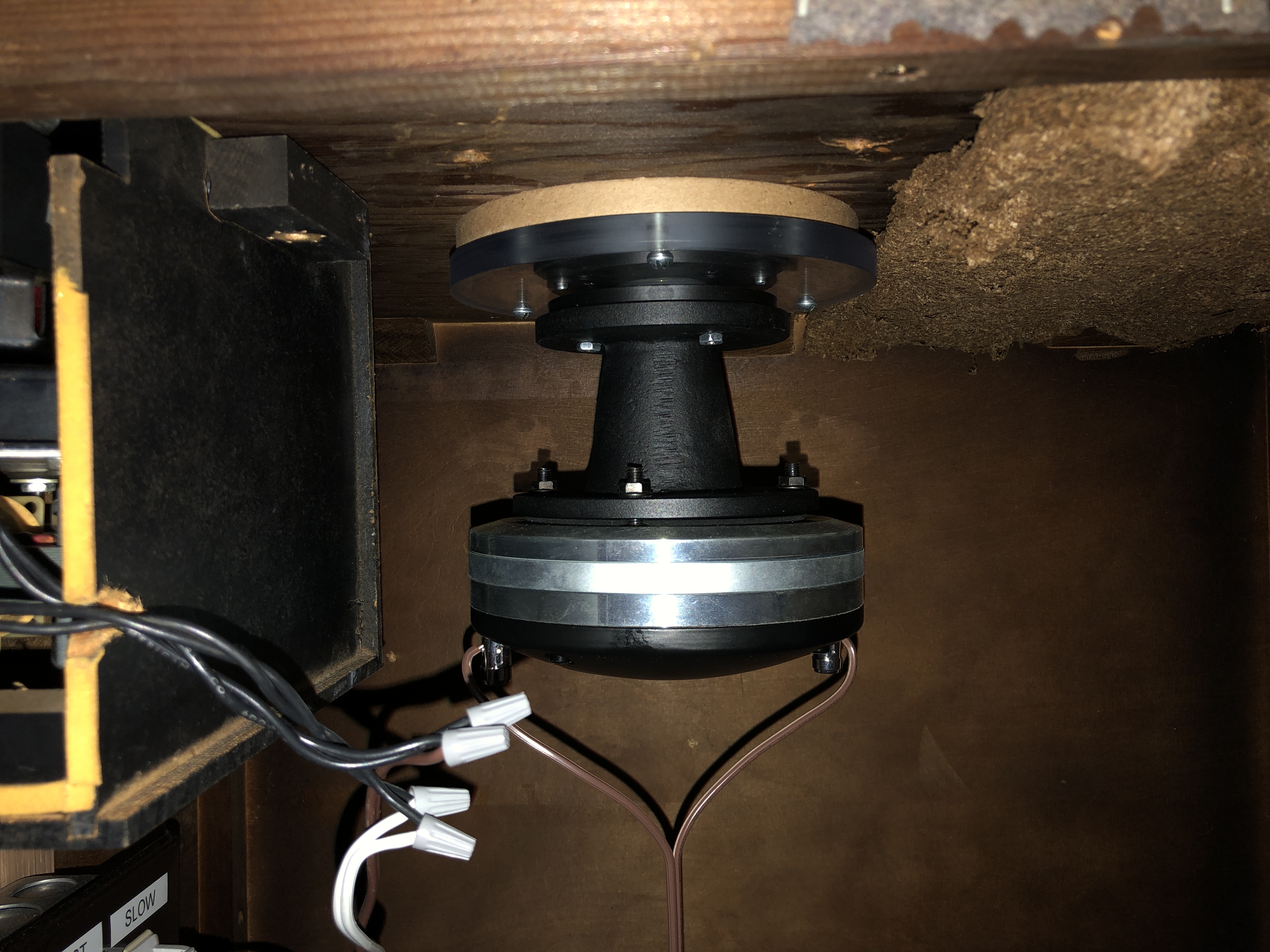
The Gonzo Leslie
This is my 750 watt, bi-amped, solid-state road Leslie of my own design, built in 2019.





 Maxwell Butler